Software Dolby-A Compatible Compander |
||||||||
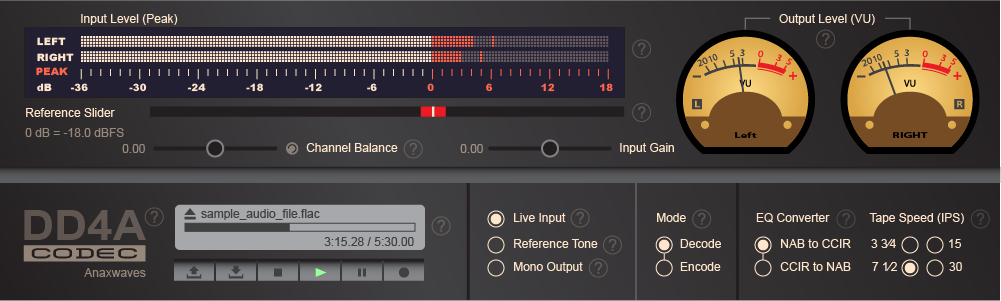
| DD4A Codec is a precise digital emulation of the classic Dolby-A professional noise reduction system for analog audio tape. The software app is capable of decoding/encoding Dolby-A formatted audio in digital domain. Powered by a proprietary DSP engine, the decoding/encoding can be performed in realtime, which allows for instant processing, monitoring and fine-tuning. | ||||||||
|
||||||||
 |
||||||||
|
||||||||
Minimum System Requirements
How to Install: |
||||||||
| Description | ||||||||
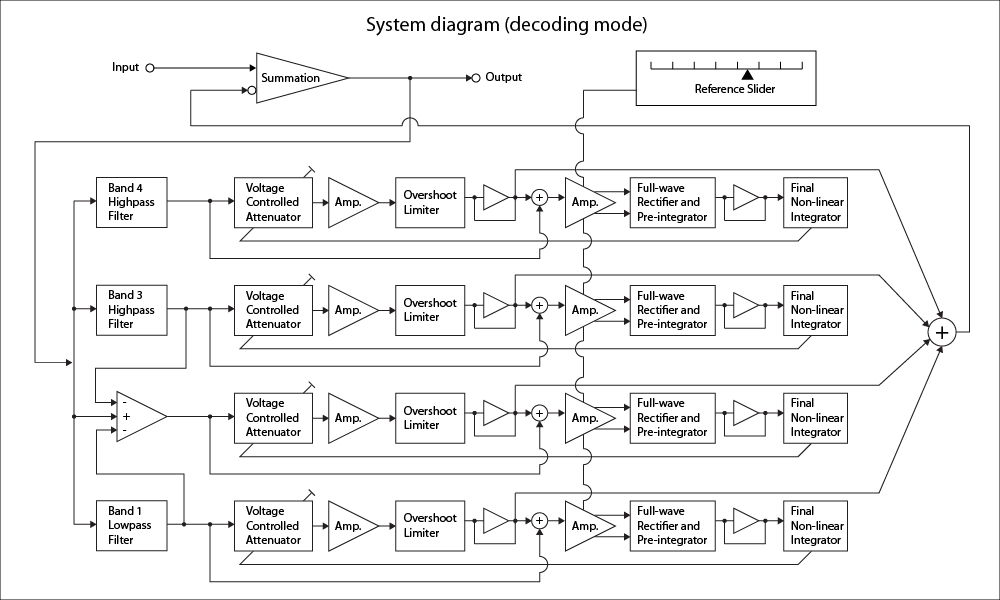
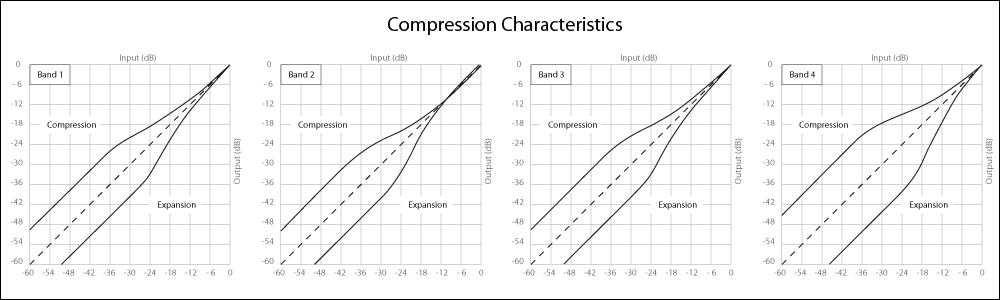
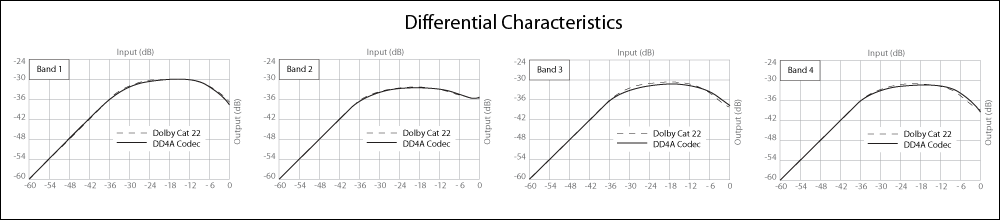
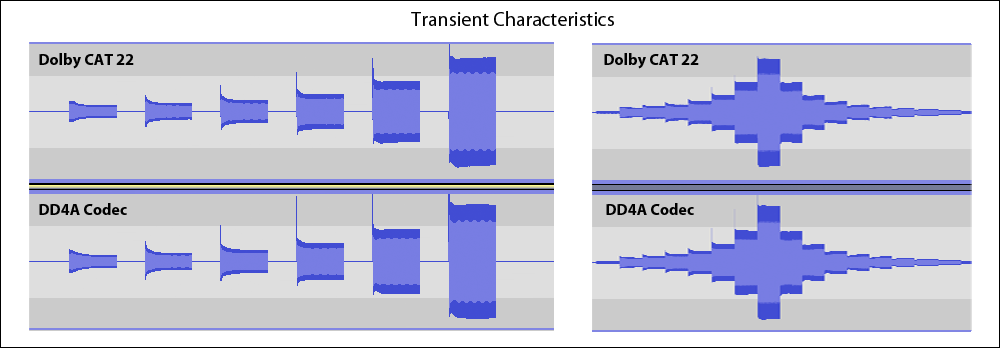
Some valuable audio contents are only available on specific media of their era. For example, reel to reel tapes in '60s ~ '80s. As the media getting obsoleted, the contents deserve an extended life in the new age and being appreciated via contemporary digital media. When digitizing tape recordings, any material originally encoded with Dolby-A must first be properly decoded to eliminate artifacts, restore the intended sound, and reduce noise. Historically, Dolby-A decoding could only be performed in the analog domain using dedicated hardware processors such as the Dolby 361 or A301. Today, however, no new analog Dolby-A processors are being manufactured. Existing processors are getting scarce and aged. Their electronic components may drift out of specification after decades, which require professional servicing and calibration to bring them back to a trustful state. Today, many people automatically assume that decoding Dolby-A in the digital domain should be as easy as many other audio processings already did. This is theoretically true but not because digital technology is any good at refactoring Dolby-A system. In fact, the original Dolby-A system is a highly analog-centric audio companding system whose behavior is exceptionally difficult to emulate for discrete DSP algorithms. In particular, the side-chain in Dolby-A system exhibits distinctive non-linear transient characteristics of its own, which is not found in any conventional DSP library. Attempting to simulate Dolby-A system by customizing a general-purpose compander plugin is a simplistic, inaccurate and amateurish idea. Dolby-A is also a system that can't be accurately reproduced from its blueprint alone. Its intended performance depends not only on the circuit design itself, but also on the specific semiconductors used (JFETs and diodes), together with the factory calibration applied to each individual unit. Although conventional EDA analysis can reveal some insight, it is far from sufficient to capture the true behavior of the system. Accurately reconstructing Dolby-A therefore requires direct measurement and characterization of original hardware in order to recover the unpublished implementation details that define its actual performance. Fortunately, Dolby-A was typically implemented in form of discrete circuitry, which makes reverse-engineering a practical and realistic approach. In our research project, the entire system was divided into linear and non-linear sections. The linear sections were analyzed through EDA techniques, while the non-linear sections were characterized through direct measurements of three original Dolby CAT 22 cards to achieve a reasonable statistical confidence. Based on the collected data, a dedicated DSP engine was developed from the ground up. In parallel, several in-house software tools were created to compare the DSP engine against the original CAT 22 hardware systematically, rather than relying solely on subjective evaluation. Yet, the DSP engine could not realistically leave the laboratory without a proper GUI. DD4A Codec (Digital De-hiss 4-Band A-type) is a GUI-based software application powered by the above described DSP engine. It allows user to calibrate and use the DSP engine interactively with visual feedback, and decode (or encode) Dolby-A audio materials in the digital domain with ease. The application operates as an outboard Dolby-A compatible compander, supporting both live audio processing and file-based workflows. Comparing to vintage analog hardware, the app won't drift off its design specifications over time, won't introduces new noise by processing, can be natively integrated into an existing digital audio chain, and accomplishes the same task at a significantly lower cost. It provides a new alternative to those who prefer to avoid using vintage analog Dolby-A hardware but are open to accept digital help. |
||||||||
 |
||||||||
 |
||||||||
 |
||||||||
 |
||||||||
| A VST plugin is also available after the app has been installed. However, it is currently in experimantal stage and requires the full application being installed on the same computer. | ||||||||
|
||||||||
|
||||||||
See also:
|
||||||||


